Blog
40 articles on AI pentesting, compliance, and cybersecurity strategy
A technical teardown of the 10 leading AI penetration testing platforms in 2026 -- model architecture, scope enforcement, validation design, published evidence, and where each one breaks.
PCI DSS 4.0, HIPAA updates, SOC 2, CMMC, GDPR, DORA — multiple frameworks are tightening pentest requirements in 2026. Complete deadline reference guide.
MSSPs juggling dozens of concurrent pentests face quality, scheduling, and reporting challenges. Standardized workflows and AI automation solve the scale problem.
Retesting pentest fixes requires re-engaging testers, re-establishing context, and re-validating scope. Automated retesting eliminates this hidden cost entirely.
97% of organizations are considering AI in pentesting. Cut through the hype with this evaluation guide covering capabilities, limitations, and what to look for.
Nearly 50% of pentest delivery time goes to report writing and formatting, not actual testing. AI-generated reports free testers to focus on finding vulnerabilities.
Penetration Testing as a Service (PTaaS) is growing at 29% CAGR while traditional consulting stagnates. Compare the models and decide which fits your needs.
Enterprise buyers now require formal vendor security assessments. Without recent pentest evidence, you lose the deal. Build always-ready security proof.
Facing a pentest deadline for SOC 2, PCI DSS, or vendor due diligence? Traditional vendors need weeks. AI-powered testing delivers results in days.
Organizations that pentest only for compliance use minimum scope and cheapest vendors. They pass audits but miss real vulnerabilities. Here's how to fix that.
PCI DSS 4.0 expanded pentest requirements with documented methodology, segmentation testing, and customized approach validation. Full 2026 compliance guide.
SOC 2 audit approaching with no pentest? Traditional vendors need 4-6 weeks. This emergency guide shows how to get audit-ready results in days, not months.
Building an internal pentest team costs $750K+/year. Outsourcing means 4-6 week waits. AI automation offers a third option. Compare all three approaches.
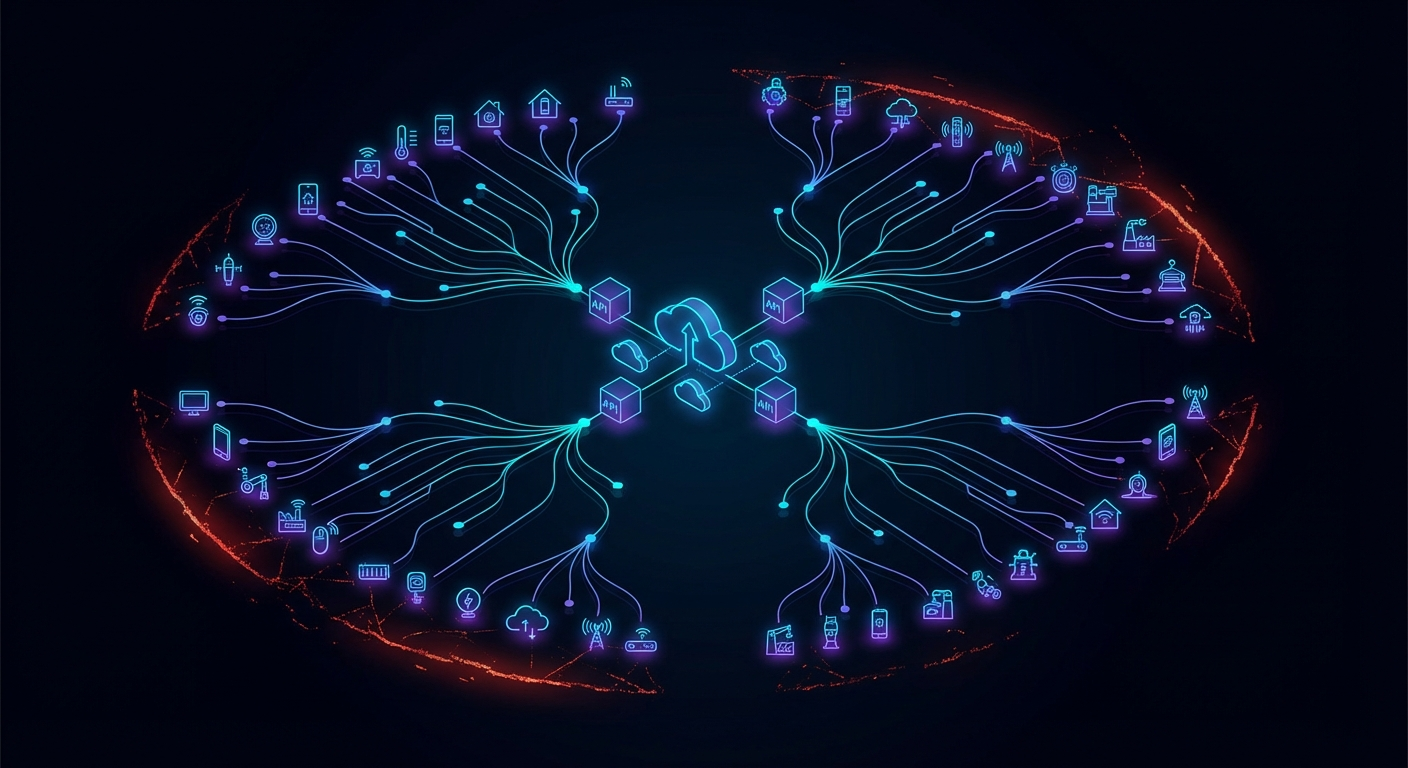
APIs, microservices, and cloud infrastructure expanded your attack surface 10x. Traditional pentests still cover the same web app and network perimeter. Close the gap.
Traditional pentests cost $10K-$50K per engagement. Break down the real costs, calculate ROI against a $4.8M average breach, and explore affordable alternatives.
Generic 200-page pentest reports with copy-pasted scanner output create paralysis. Learn what makes findings actionable and how AI transforms report delivery.
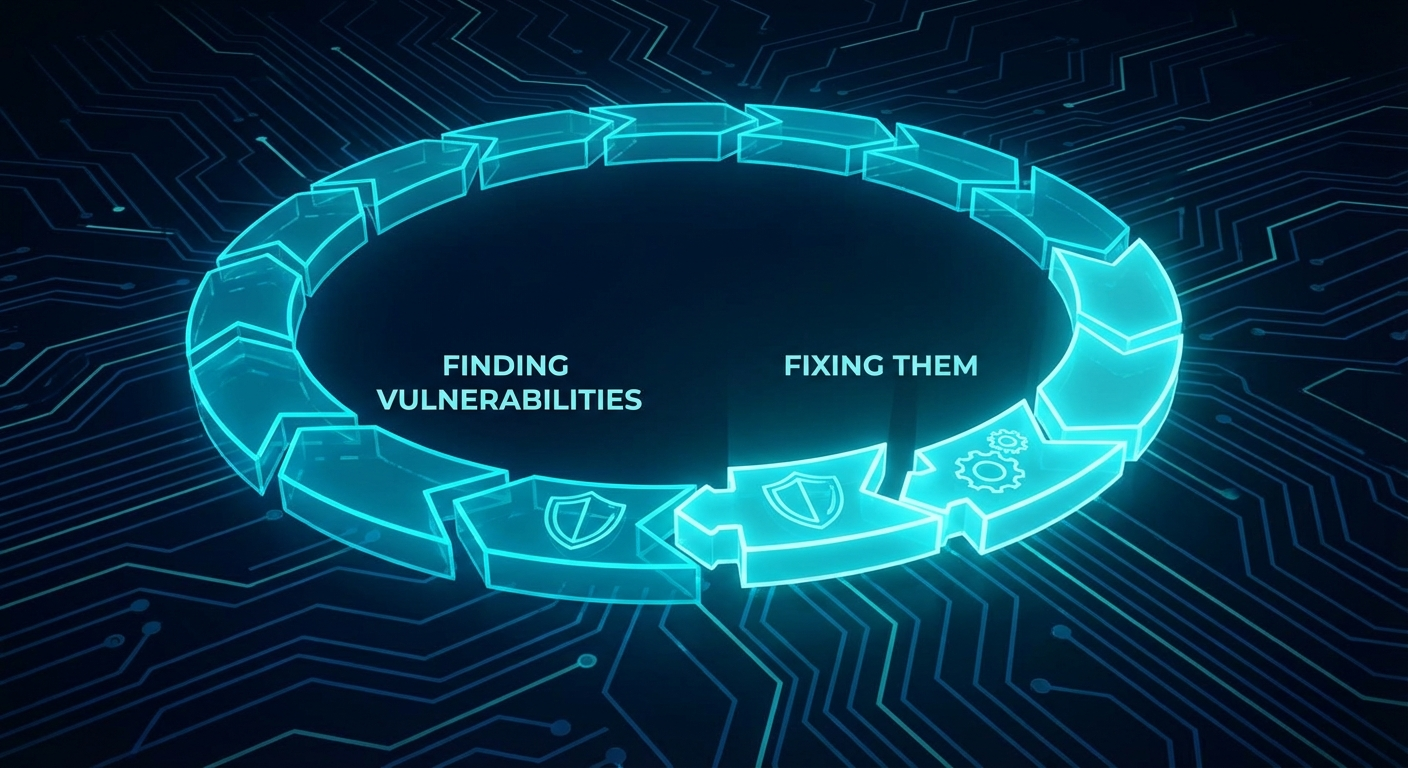
The average critical vulnerability takes 74 days to fix while attackers need only 4 days. Learn how to close the remediation gap with automated retesting.
Cyber insurance underwriters now require or reward regular pentesting. Organizations with documented testing programs get 10-25% lower premiums. Continuous testing may be the difference between coverage and denial.
Security questionnaires and SOC 2 reports aren't enough to validate vendor security. Pentesting provides actual evidence. Automated testing makes per-vendor testing affordable.
Pentesting isn't just for tech companies. From healthcare to defense to retail, every industry with digital systems needs proactive security testing. See how it maps to your sector.
Vulnerability scanners generate hundreds of findings, but 30-60% are false positives. Pentesting validates exploitability and eliminates the noise that wastes your team's time.
Nation-state actors and criminal groups are using AI to automate attacks. Defenders relying on manual testing are outpaced. AI-powered pentesting is now a defensive necessity.
Human pentest teams are limited by time and headcount. AI spins up thousands of concurrent threads, testing every endpoint and parameter simultaneously. More findings, faster.
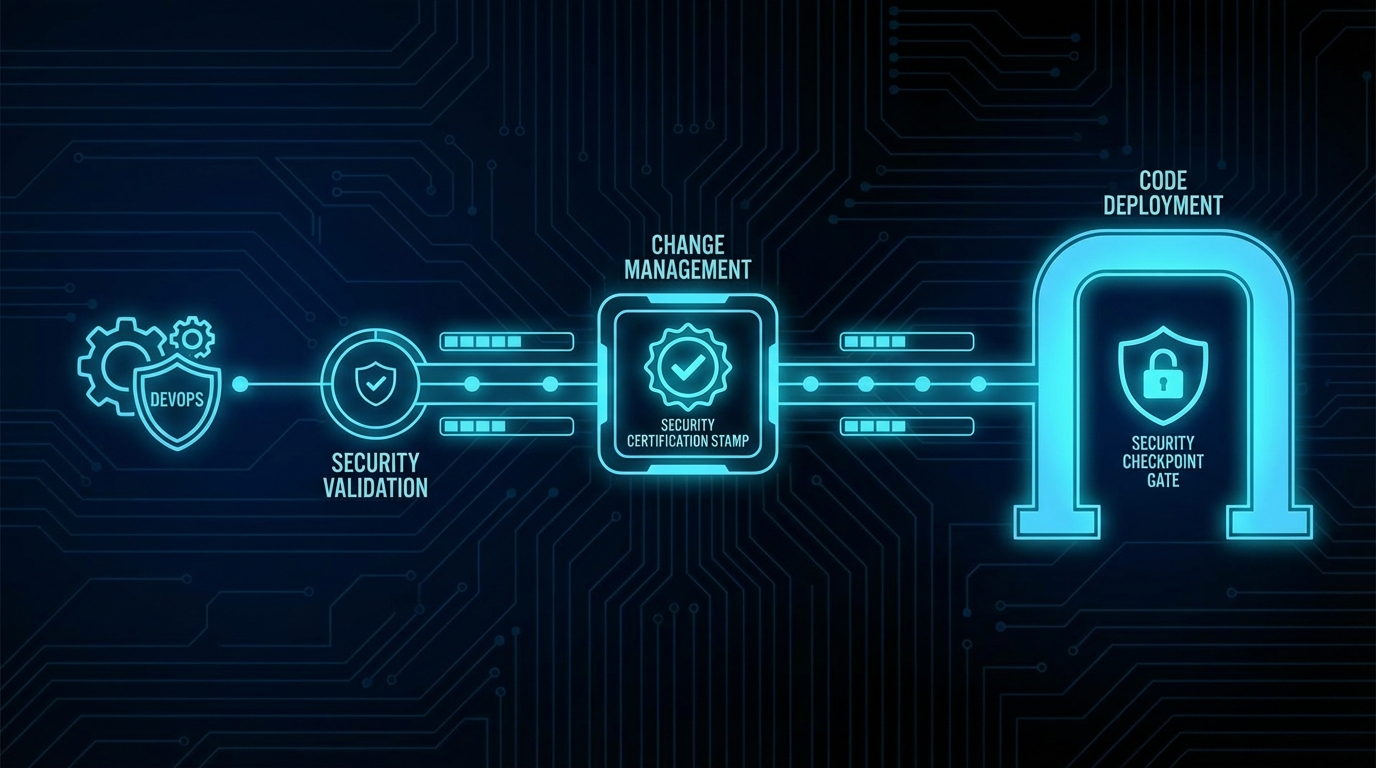
Most Change Advisory Boards approve releases without security evidence. Automated pentesting creates a security certification gate that integrates with ITIL workflows.
Stop selling one-off pentests. Build subscription revenue with continuous automated testing. Includes pricing models, margin analysis, and client transition strategies.
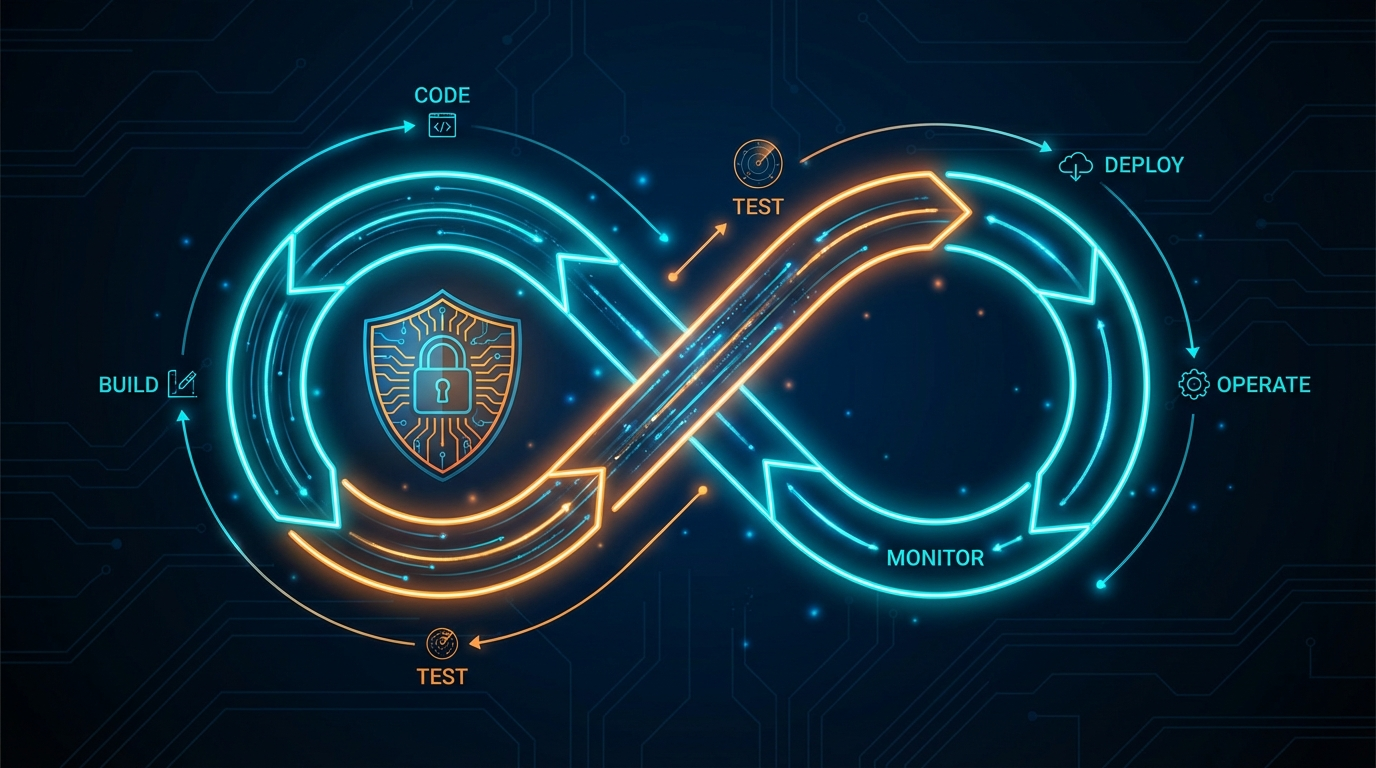
SAST, DAST, and SCA find theoretical vulnerabilities. Pentesting proves exploitability. Learn how to integrate automated pentesting into CI/CD as a security gate.
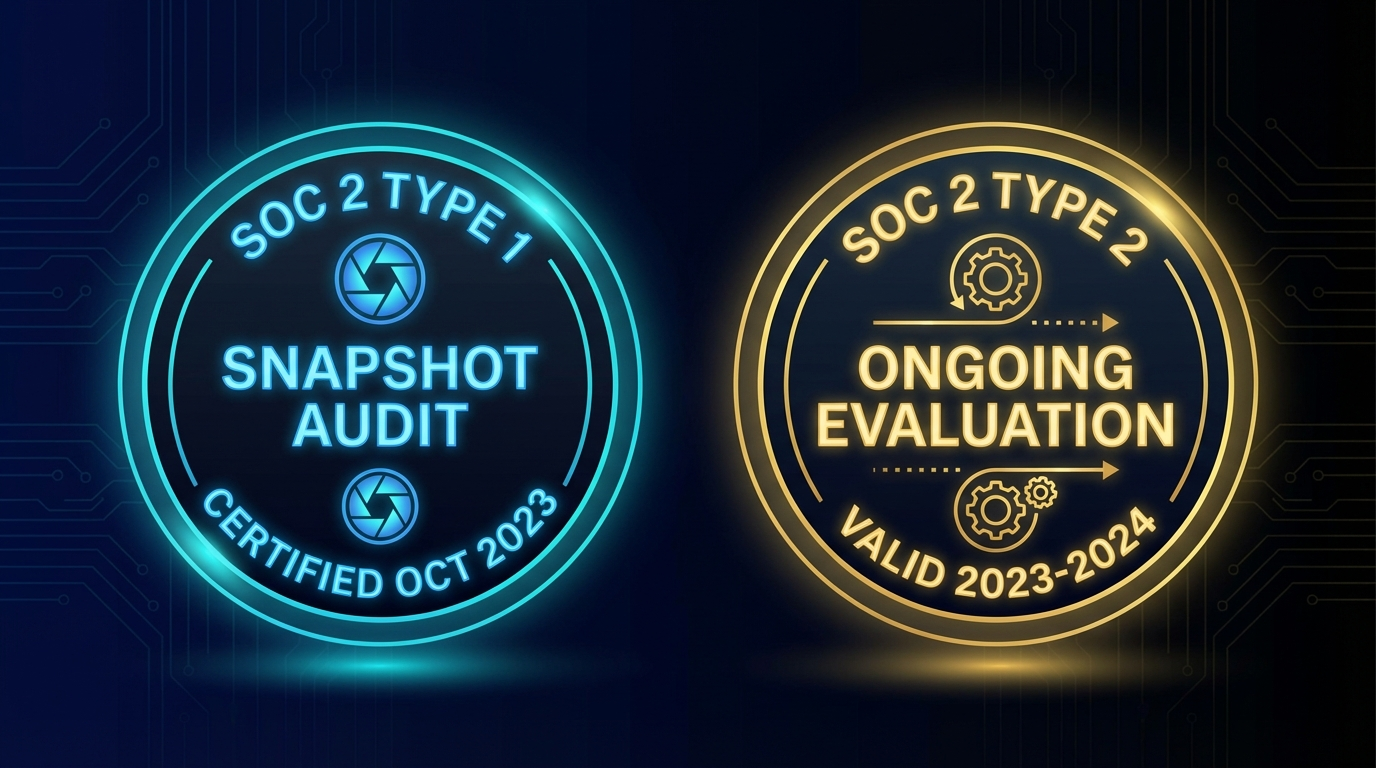
SOC 2 Type II requires ongoing control effectiveness. Learn which Trust Service Criteria pentesting satisfies and how continuous testing strengthens your audit.
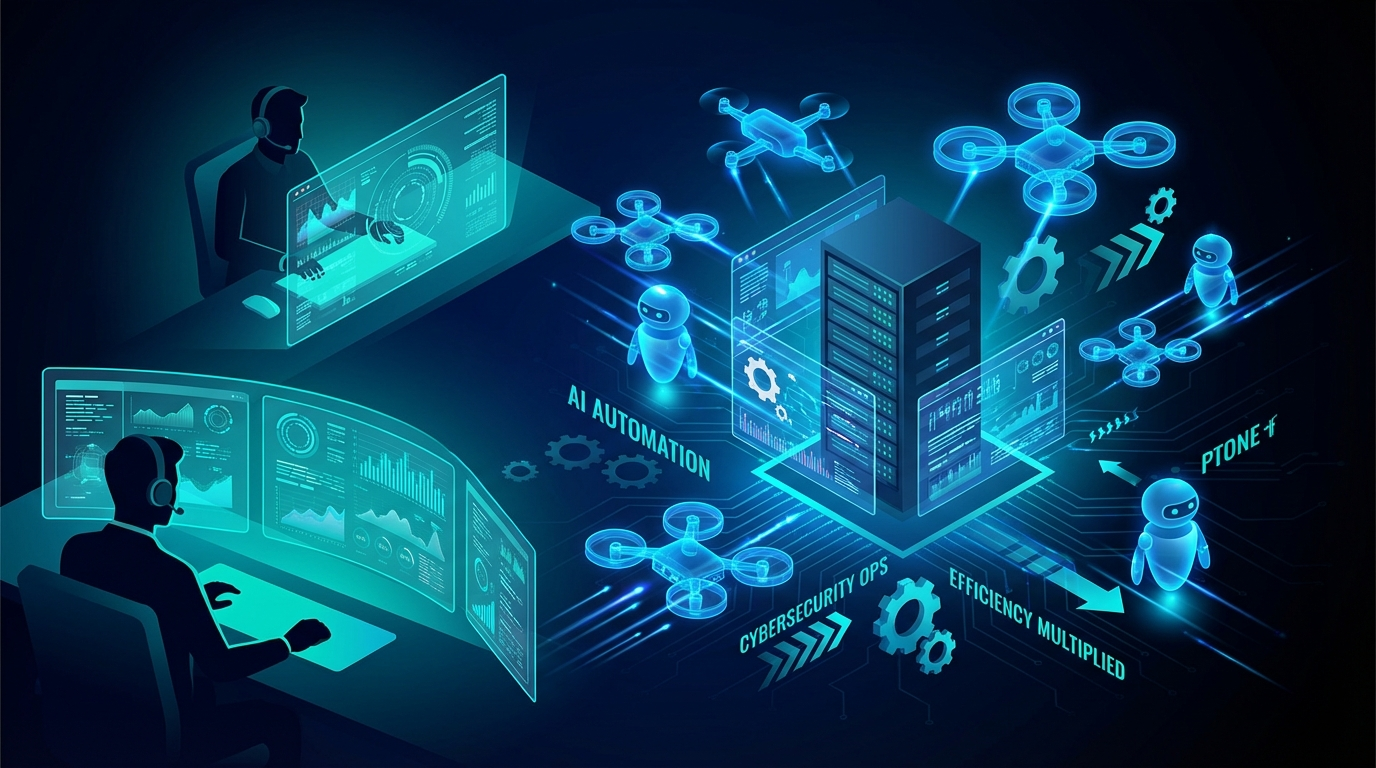
With 4M+ unfilled cybersecurity jobs globally, hiring pentesters is nearly impossible. AI doesn't replace them — it multiplies them. One tester plus AI equals a five-person team.
GDPR Article 32 requires testing the effectiveness of technical measures. Penetration testing is the most direct way to demonstrate compliance. Fines up to 4% of revenue.
The FTC's updated Safeguards Rule requires financial institutions to test security controls regularly. Learn how penetration testing satisfies GLBA requirements.
MSSPs sell patch management and scanning but can't prove they work. The baseline-retest pentesting model creates measurable proof and natural upsell paths.
While HIPAA does not explicitly mandate pentesting, OCR enforcement and the updated Security Rule make it a de facto requirement. Learn how to protect PHI.
CMMC 2.0 requires security assessments for defense contractors. Learn which controls pentesting satisfies and how automated testing streamlines compliance.
Traditional pentests take weeks. AI automation compresses delivery to days. See the revenue math and operational workflow changes for MSSPs.
Learn the difference between safe and aggressive automated penetration testing modes, when to use each, and how AI pentesting protects production systems.
AI-powered applications with chatbots, text fields, and agentic interfaces introduce new attack surfaces. Learn how automated penetration testing can probe these systems for prompt injection, data leakage, and unauthorized actions.
Vulnerability scans and penetration tests serve fundamentally different purposes. Understanding the distinction helps security service providers deliver the right solution and set correct customer expectations.
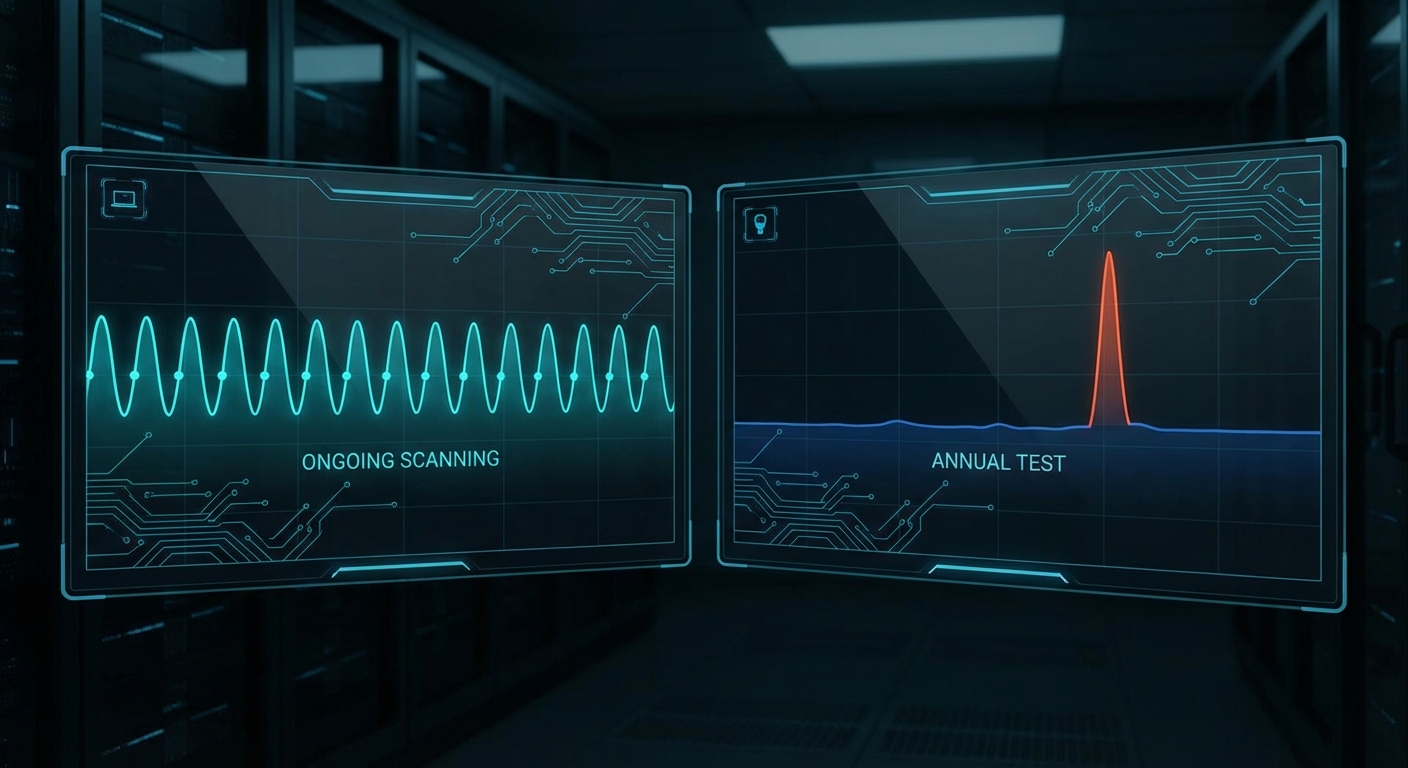
Why annual penetration tests are becoming obsolete and how continuous testing creates better security outcomes and recurring revenue for partners.
Learn how AI-powered automation reduces penetration testing costs by up to 86%, improving margins and ROI for security service providers.
Discover why MSSPs need automated pentesting to scale their security services, overcome the talent shortage, and deliver consistent results.